
Tips for Moving with Dogs
Dogs don’t like moving any more than we do. It can be stressful, confusing, and disorienting, made harder by the fact that they don’t understand why it’s happening. To ease the transition, owners need to take steps to keep their dogs safe, happy, and comfortable both before and after the journey. So whether you’re moving across town or across the country, follow these tips for moving with dogs to give your dog a smooth, stress-free transition from your old home to your new one.
Create a Safe Space
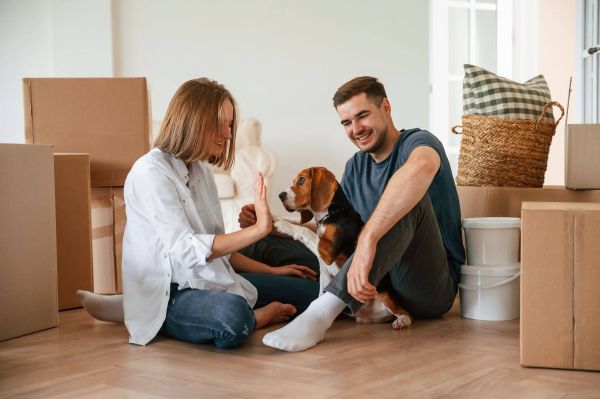
Changes to their environment make dogs uneasy. While they’re fine with a few boxes, eventually the clutter is going to feel overwhelming and they’re going to become upset watching you dismantle your furniture and pack your belongings. To help them cope, create a quiet space where they can go to relax whenever the stress starts piling up. It can be a room or a corner full of comforting objects, like toys and a bed. The familiar sights and smells will help them calm down whenever they feel the need to escape the hustle and bustle in the rest of the house.
Maintain Your Routine
Dogs are creatures of habit, so do your best to maintain a consistent schedule. It might feel tempting to skip their evening walk so you can focus on packing, but sticking to your routine is the best way to manage stress. Feed, walk, and play with them at the same time each day. It might make the process a little longer, but it will help keep your dog happy.
Watch For Signs of Distress
Because disruptions are harder to avoid as your moving date gets closer, every homeowner should know how to tell whether their dog’s anxious, upset, or depressed. Common signs include:
- Shaking
- Drooling
- Wide Eyes
- Tucked Tails
- Loss of Appetite
- Putting Ears Back
- Excessive Panting
- Barking and Whining
- Destructive Behavior
- Bathroom Accidents
- Repetitive Behaviors, Like Tail Chasing
- Pacing, Fidgeting, and Restless Behavior
Occasionally, anxious dogs will growl at their owners. If this happens, it's best to give your dog some space and let them calm down. Dogs also chew on boxes, doors, and furniture when they’re upset. It’s one of their most frequent forms of destructive behavior. The good news is that chewing helps relieve stress. So rather than discouraging the behavior, keep plenty of bones and chew toys around for them to gnaw on.
There are a few other things you can do as well. Like humans, dogs respond well to:
- Physical Contact. Gently massage your dog’s neck and shoulders to relieve tension. They also enjoy being scratched under the chin or having their belly rubbed.
- Soothing Music. Calm, slow-tempo music helps dogs relax. Classical, soft rock, and reggae have been shown to be most effective. Dogs also respond well to white noise.
- Physical Activity. Playing with your dog and taking them on long walks helps burn off pent-up energy. One-on-one time with their owners has also been shown to lower cortisol levels and encourage good behavior.
Some dogs become agitated watching their owners pack. If this is the case, consider letting them run around in the backyard while you box everything up. You can also ask a friend to look after them while you’re busy preparing for the move.
Talk to Your Vet
Schedule an appointment with your veterinarian a few weeks before moving day, to make sure your dog’s vaccinations and immunizations are up to date. You’ll also want to request a copy of your dog’s medical records and refill any prescriptions they might have.
Finally, to ensure continuity of care, ask your vet if they know any good veterinarians near your new home. Even if they don’t have a recommendation, they should have some advice on how to find someone.
Research Pet Laws
Laws regarding dogs can vary significantly from one state to the next. In addition to leash laws, there are laws on tethering, immunizations, licensing, and pet waste. Some states even have ordinances regulating specific breeds! Start researching early, so if you need to make any special preparations, you can incorporate them into your moving process. There are several online databases with links to the laws in each state, such as the Michigan State University Animal Legal and Historical Center.
Get Ready for Your Trip
If you’re moving long-distance, you’ll need to call ahead to make sure the hotels you’re staying at are pet friendly. If your dog has never been in a crate or carrier, you’ll need to acclimate them before you go. Experts recommend placing their meals inside the crate, to build positive associations.
While some dogs don’t mind driving, others get car sick. If this is the case, the best solution is to bring a blanket and drape it over the crate. This reduces visual stimulation and creates a dark, secure den where they can lay down, relax, and maybe even get some shut eye. Add some blankets to the bottom for cushioning and bring along one or two of their favorite toys, to keep them entertained.
To prevent the crate from shifting, secure it against the backseat or SUV wall using seatbelts or cargo hooks. Before putting your dog inside, give it a good push or pull to make sure it won’t budge. Finally, dogs need to get out and stretch their legs every 2-3 hours, so consult your map for parks and rest stops where you can let them run around for a bit during your journey.
Hire a Dog Sitter
Few dogs are comfortable with strangers carrying stuff in and out of their house all day. To keep them from becoming upset, consider asking someone to look after them, such as a friend, family member, or neighbor. Giving them a fun day not only makes them happier, it helps streamline your move. Instead of worrying about your dog, you can concentrate on transferring your belongings.
Help Them Readjust
It takes dogs about 2-3 months to acclimate to a new home. The first three days are normally spent decompressing, while the next three weeks are spent exploring and settling in. Older dogs typically take longer to get situated, but by three months, most feel safe and secure in their new space. You can help them by:
- Setting Up a Safe Room. Placing their bed, toys, and blankets in a quiet section of your house gives dogs a chance to unwind and ease into their new surroundings.
- Explore the House One Room at a Time. After you’ve finished setting up your home, take your dog to each room and let them explore. This type of gradual introduction reduces anxiety and keeps your dog from becoming overwhelmed. It also ensures they don’t chew on anything or mark their territory, as dogs often do when entering an unfamiliar environment.
- Reestablish Your Old Routine. As we stated earlier, dogs are creatures of habit. No matter how much you have to unpack, do your best to feed, walk, and play with them at the same times as you did before.
- Don’t Leave Them Alone. Stay with your dog for at least two weeks after moving in. If you must go somewhere, take them with you. Leaving dogs alone in an unfamiliar place often leads to panic, howling, and destructive behavior. Some dogs even try to escape and return to their old homes.
Long walks are another good coping mechanism. They not only give your dog an outlet for their nervous energy but let them get used to the sights, sounds, and smells of their new neighborhood. With a little care, they’ll be acting like their old self in no time at all — just as playful, curious, and comfortable as they were before!
North American Long-Distance Moving Services
North American Van Lines has been helping people relocate for over 90 years. Our teams handle every aspect of your move, from planning to packing to shipping, storage, and set-up. No matter how far you’re going, we make sure you and your furry friends get there as smoothly and safely as possible. Contact us today for a free quote!
