
Packing Mistakes Movers Make (and How You Can Prevent Them)
Key Takeaways
- Using the right box size for each type of item is important: small boxes work best for heavy items, medium for general household goods, and large boxes for lightweight items like bedding and clothing.
- Every box should be cushioned with packing material on the bottom, sides, and top to prevent items from shifting or breaking, with towels, socks, and t-shirts serving as viable alternatives when supplies run short.
- Boxes should be sealed with packing tape rather than other tape types, applied in multiple layers including across the bottom seam and up the sides, to prevent the base from giving out under weight.
- Labeling each box with its destination room, orientation, and a note for fragile contents keeps the moving crew informed and makes unpacking at the new home much more organized.
Boxing up your household might seem like a simple task, but doing it right often requires more time and effort than people realize. Small missteps frequently lead to protracted headaches later on. Some can even disrupt the moving process and damage your belongings. To protect your possessions and keep things running smoothly, we’ll review the most common mistakes movers make and explain the best way to keep your possessions safe during their trip to your new home.
Weak Boxes
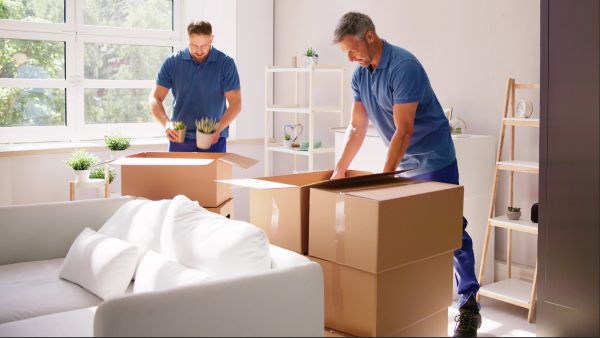
A safe move begins with the right supplies. People sometimes try to save money by relying on old boxes instead of new ones, but this is risky. Regular boxes tear easily or collapse when placed on top of one another. Professional moving boxes, on the other hand, are made from corrugated cardboard, specially engineered for strength, resilience, and durability. They not only absorb impact, they’re extremely resilient, enabling them to be stacked neatly in your moving van, secured tight for the road ahead.
Wrong Sized Boxes
Moving boxes are all made from the same material, but that doesn’t mean they’re interchangeable. Boxes should be selected based on the weight of the items you intend to store in them.
- Small Boxes. Best suited to heavy items, such as books, glassware, and canned goods.
- Medium Boxes. A good choice for general household items like toys, kitchenware, and small appliances.
- Large Boxes. Appropriate for lightweight items such as bedding, pillows, and clothing.
Choosing the wrong box can lead to a number of problems, including:
- Overfilling. Packing a large box full of heavy items makes it difficult to carry. The box is not only more likely to rip, but lifting it also increases your risk of muscle strain.
- Underfilling. Leaving too much empty space inside a box allows your belongings to slide around and possibly make you lose your grip. Loose items can easily become scratched, cracked, or broken when they collide with each other or the side of the box. What’s more, partially filled boxes are more likely to collapse, which makes them difficult to stack.
Besides protecting your stuff, storing items in an appropriate box also simplifies the unpacking process. Boxes are less cluttered, making it easier to find and organize the contents of each room.
Poor Box Preparation
No matter how strong a box is, it’s not strong enough to protect your stuff on its own. Boxes need to be cushioned and layered to ensure nothing gets broken. Even if you’ve chosen the right sized box, you’ll still need to fill the space inside in order to make sure everything is held firmly in place. To prepare boxes for shipping:
- Add a layer of packing paper, packing peanuts, or bubble wrap to the bottom of each box, to protect them from impact.
- Leave 1-2 inches of space at the top of the box instead of filling it all the way, so you can add a final layer of padding before sealing it.
- Insert extra packing material around the sides of the box, to eliminate empty space and ensure everything is packed snugly inside.
If you’re running short on supplies, remember towels provide excellent padding. You can also use socks, rags, or t-shirts to fill empty spaces inside your boxes. Just make sure they’re clean before putting them inside.
Failing To Seal Boxes
The bottom seam is the weakest point of a moving box, so make sure it’s sealed tight. Use packing tape rather than scotch tape, masking tape, or duct tape. Besides improving the box’s tensile strength, packing tape has strong adhesives that are designed to bond with cardboard fibers, creating a lasting hold that will endure even in hot, cold, and humid environments.
Many people think a single layer of tape is enough, but for the best protection, apply two. The tape should not only be long enough to cover the entire seam, but stretch halfway up the sides of the box as well. This spreads the weight over a greater area, providing a stronger anchor point. For maximum protection, add another strip of tape across the seam, perpendicular in the shape of a cross. Then tape up the seams on the side of the box before double taping the top as well.
Bad Labeling
Unlabeled boxes create confusion. Without a way to tell which box goes where, everything winds up jumbled together, forcing you to spend hours sorting through your belongings after arriving at your new home. Labels also let your crew know which items require special care, so delicate belongings don’t end up with two or three boxes stacked on top of them.
Labeling is the last step in the packing process. Once the box is sealed tight, write down which room it needs to go to (bedroom, bathroom, living room, etc.) in large letters on the top and sides. Add a note and arrow indicating which end is up as well. Boxes with fragile items should also have “FRAGILE” written on the top and sides. If you have room, make a brief list of the contents (pots, toys, dishes, coats, decorations, etc.) so you know which box to unpack first when you reach your destination.
North American Professional Packing Services
North American Moving Services coordinates every aspect of your relocation, from planning to shipping to storage. We can even help pack and unpack your belongings. Our movers understand how to wrap, pad, and protect all manner of household goods, including delicate items like paintings and glassware. With the help of high-quality supplies and time-tested techniques, we ensure everything is boxed, braced, and labeled according to your instructions, so you can be confident it will arrive safely at your new home. Let us help you take the stress out of packing. Contact North American today for a free quote!
